Who should take this course?
This course is designed for physical therapists who already have a solid understanding of at least one spinal treatment approach and are ready to expand their toolbox with advanced, eclectic concepts.
What makes this course “advanced”?
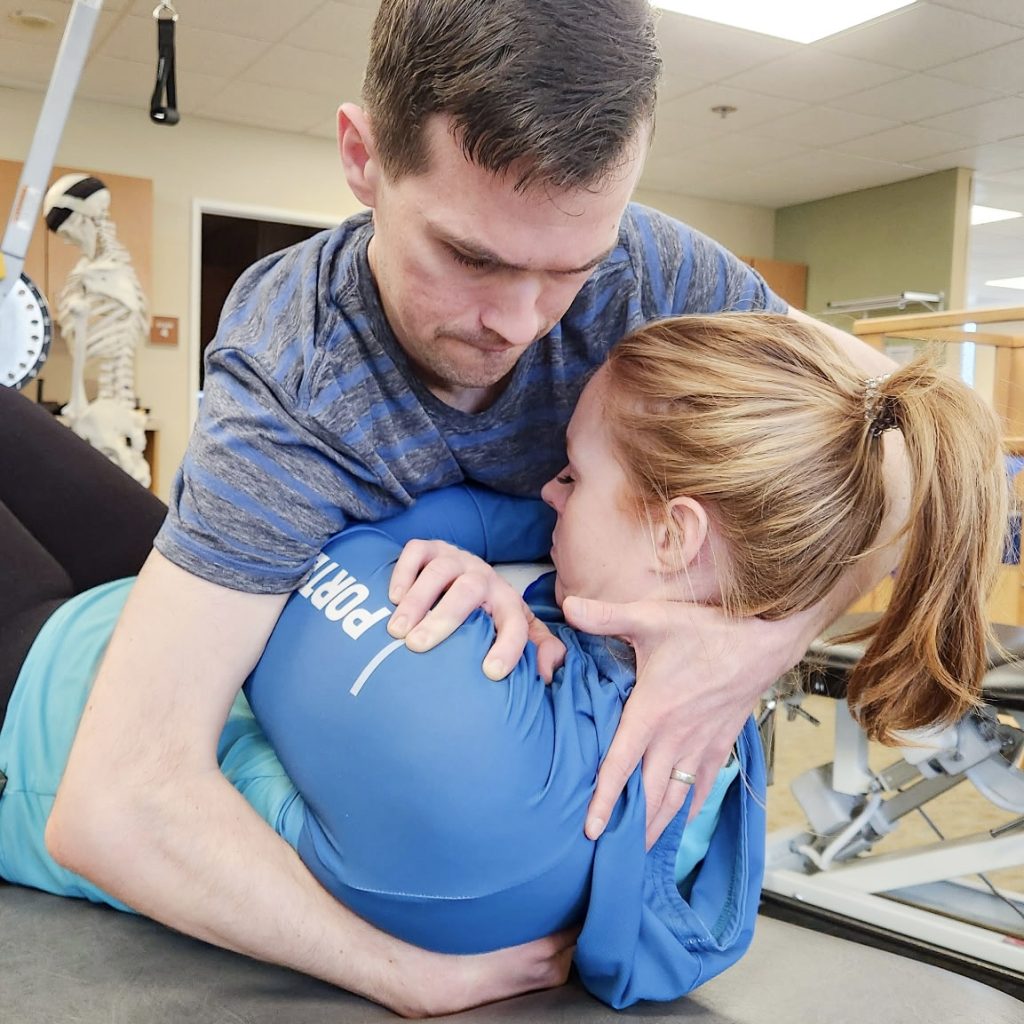
Rather than focusing on a single method, this course introduces multiple spinal treatment approaches—including MET, PA’s, coupled/non-coupled mobilizations, and mobilizations with movement—so you can adapt to each patient’s unique needs.
Is the course mostly lecture or hands-on?
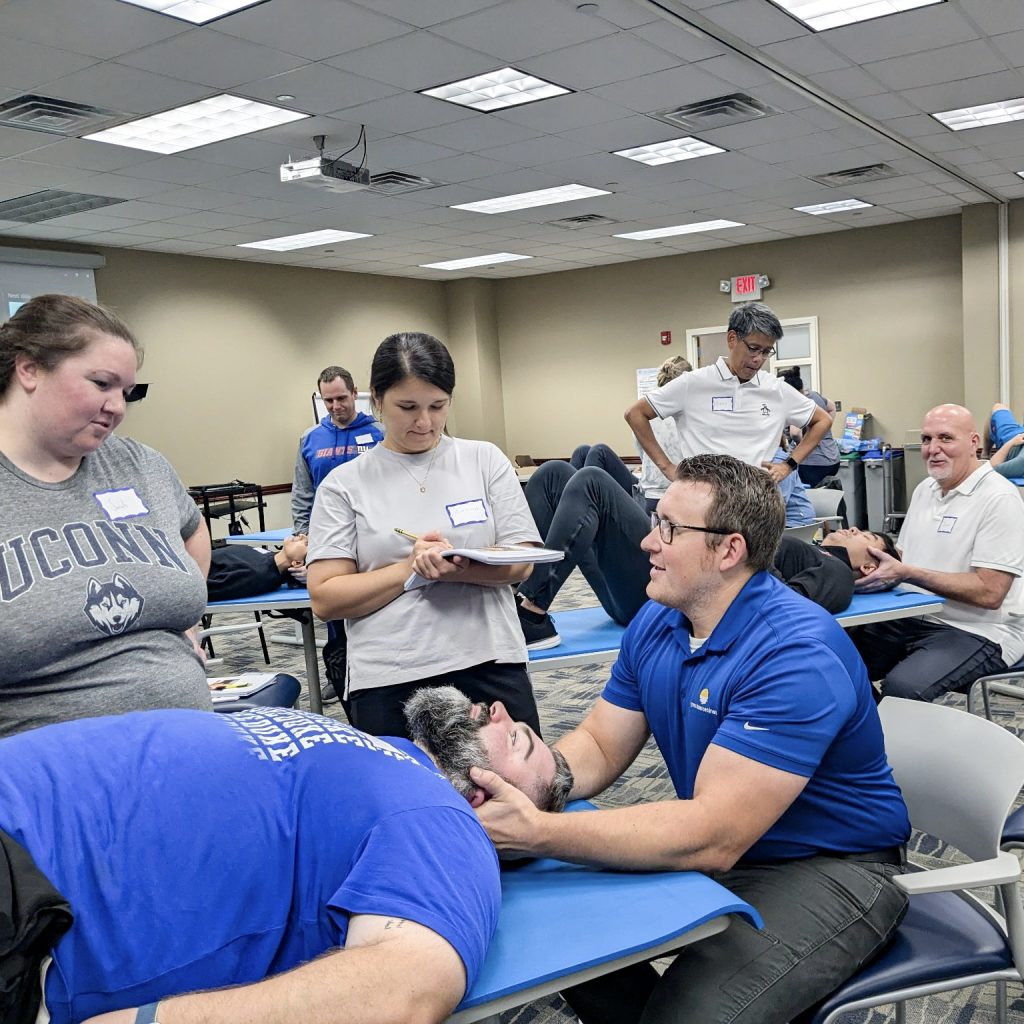
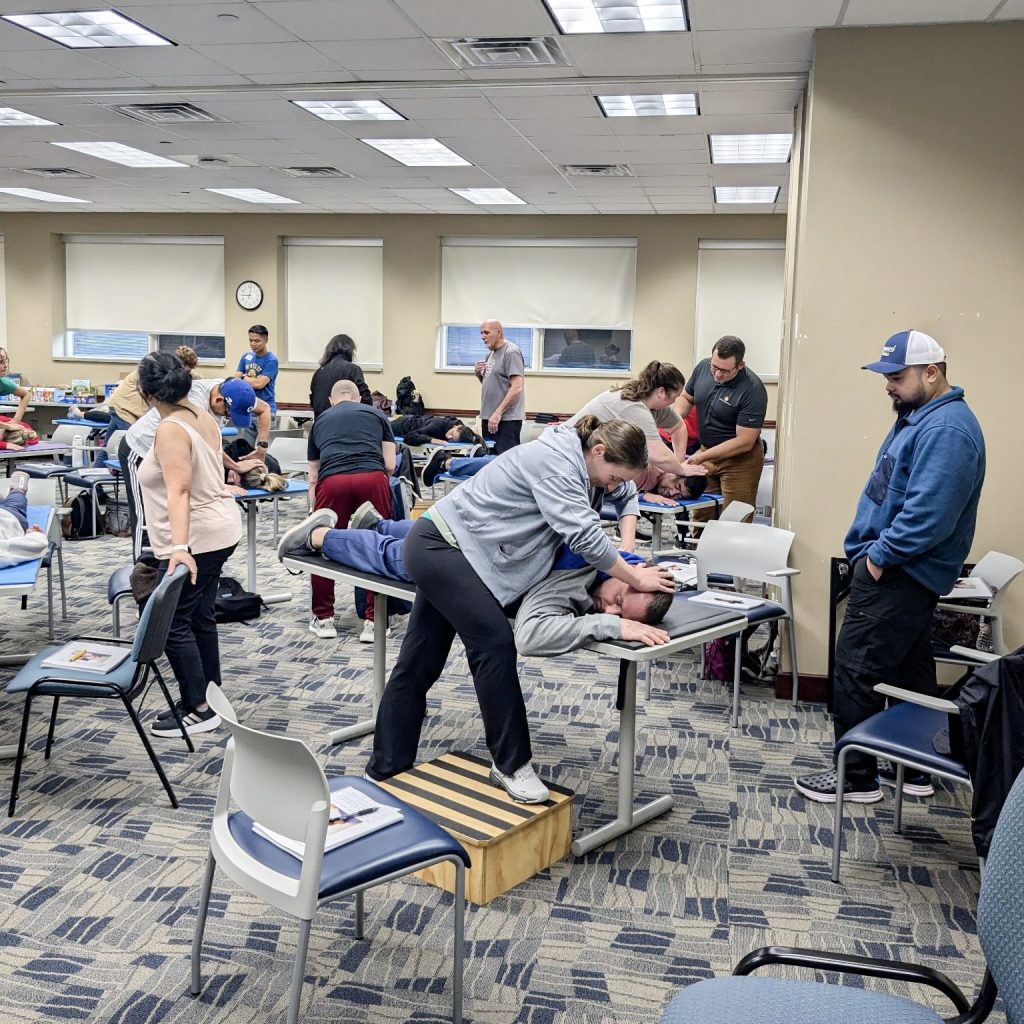
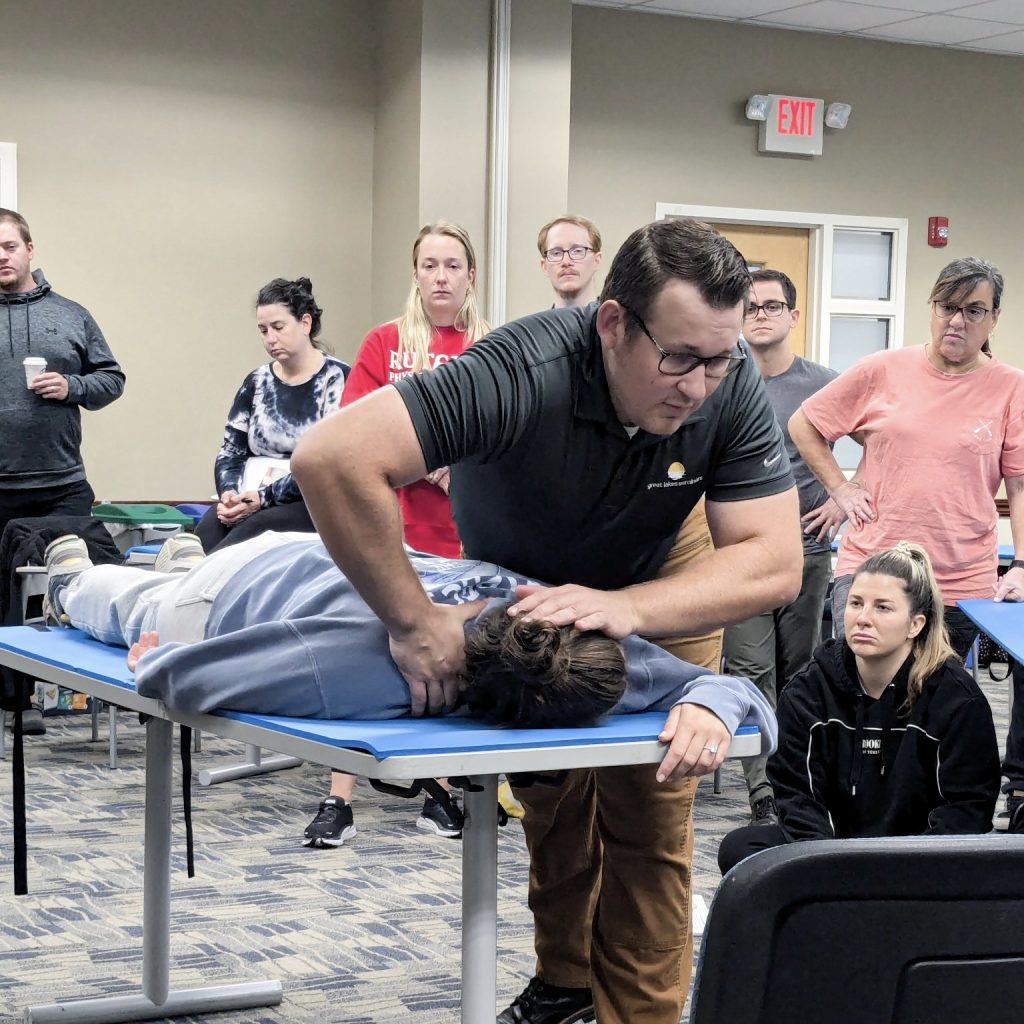
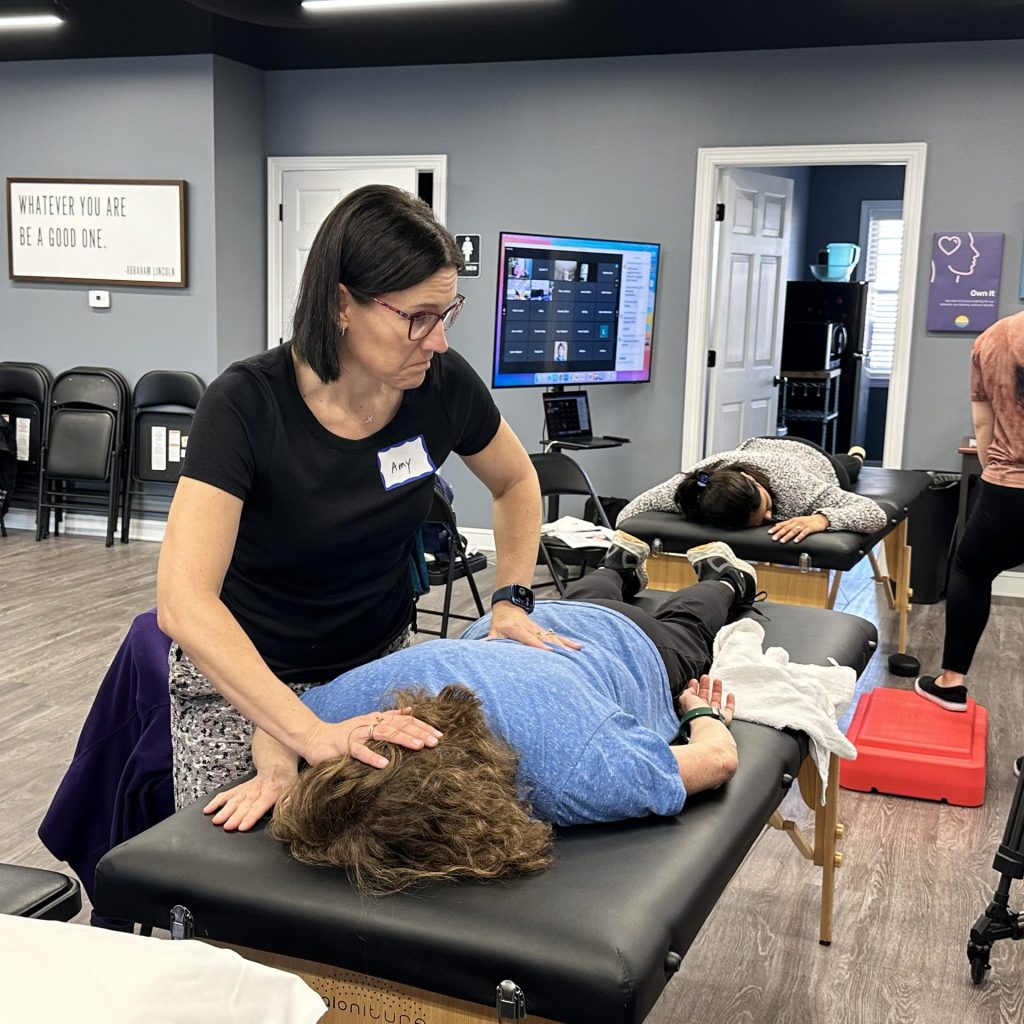
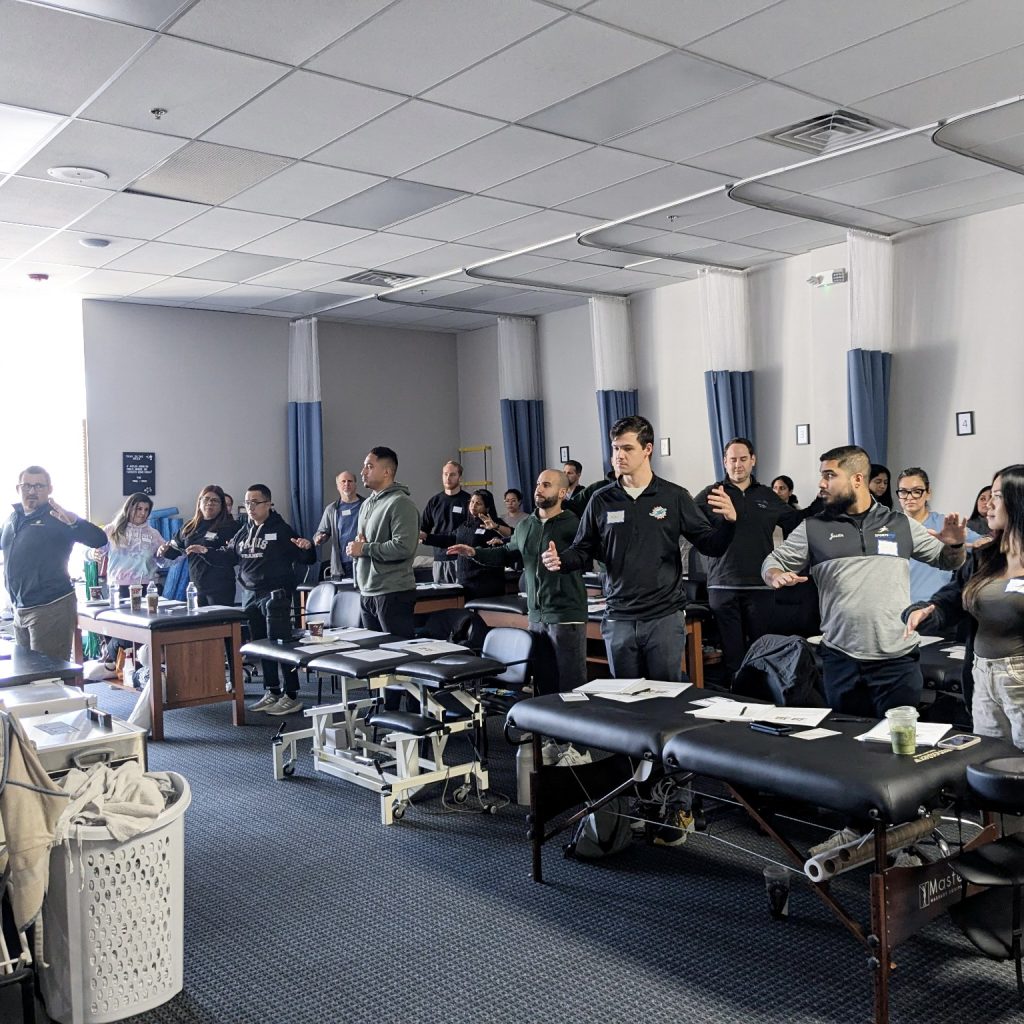
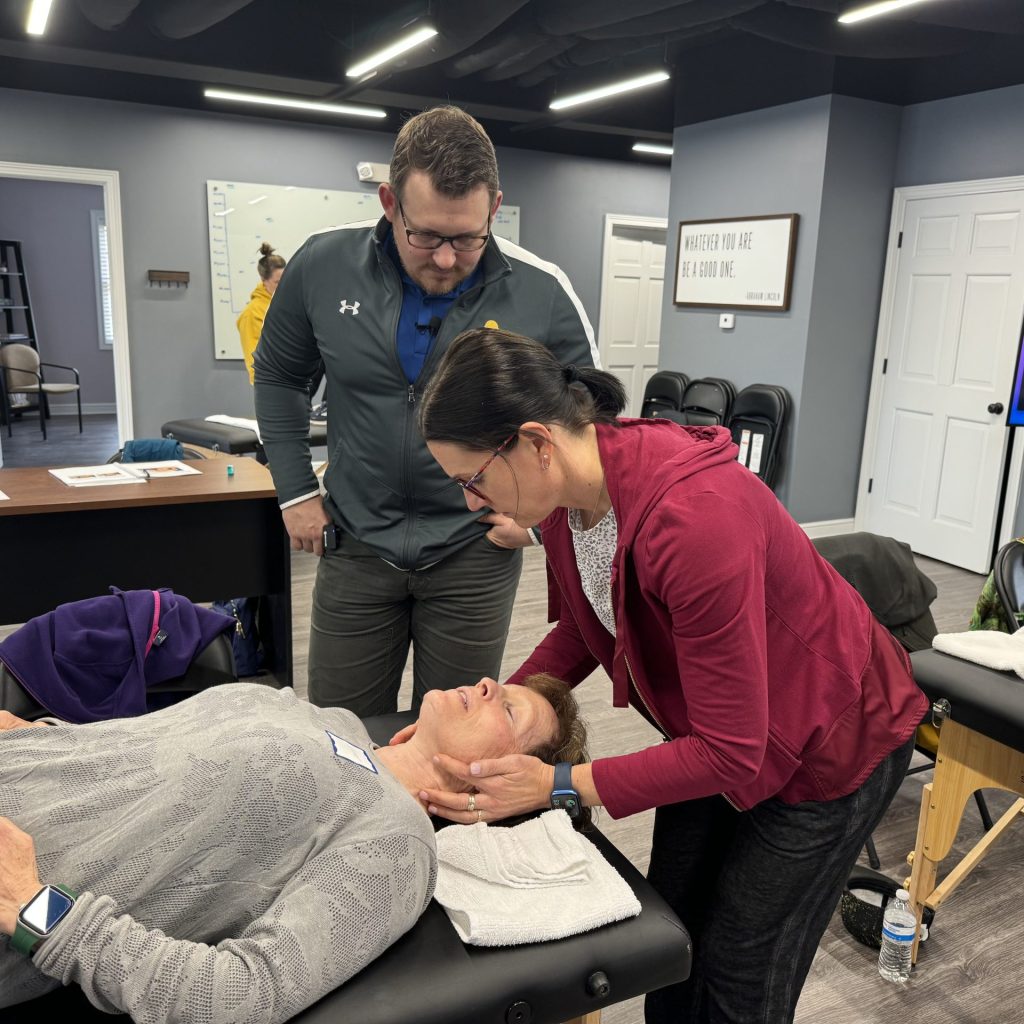
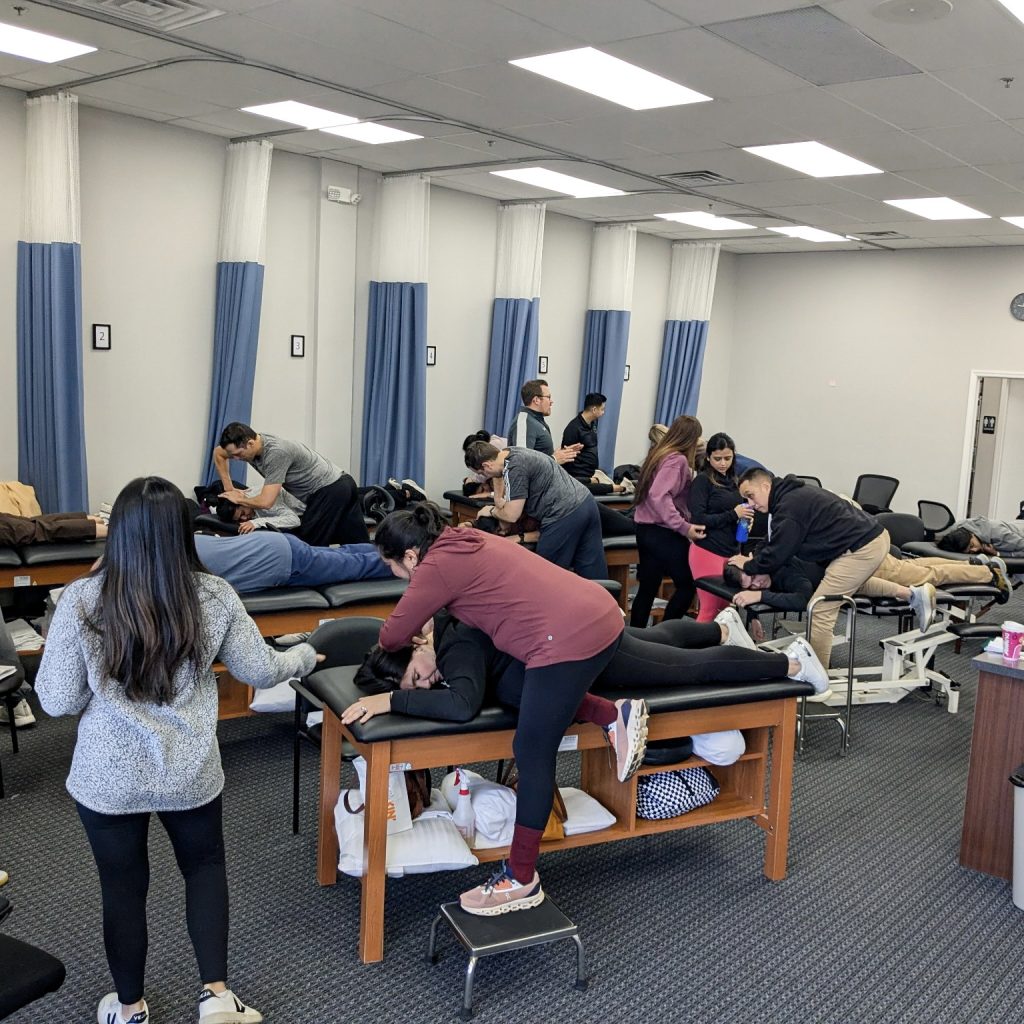
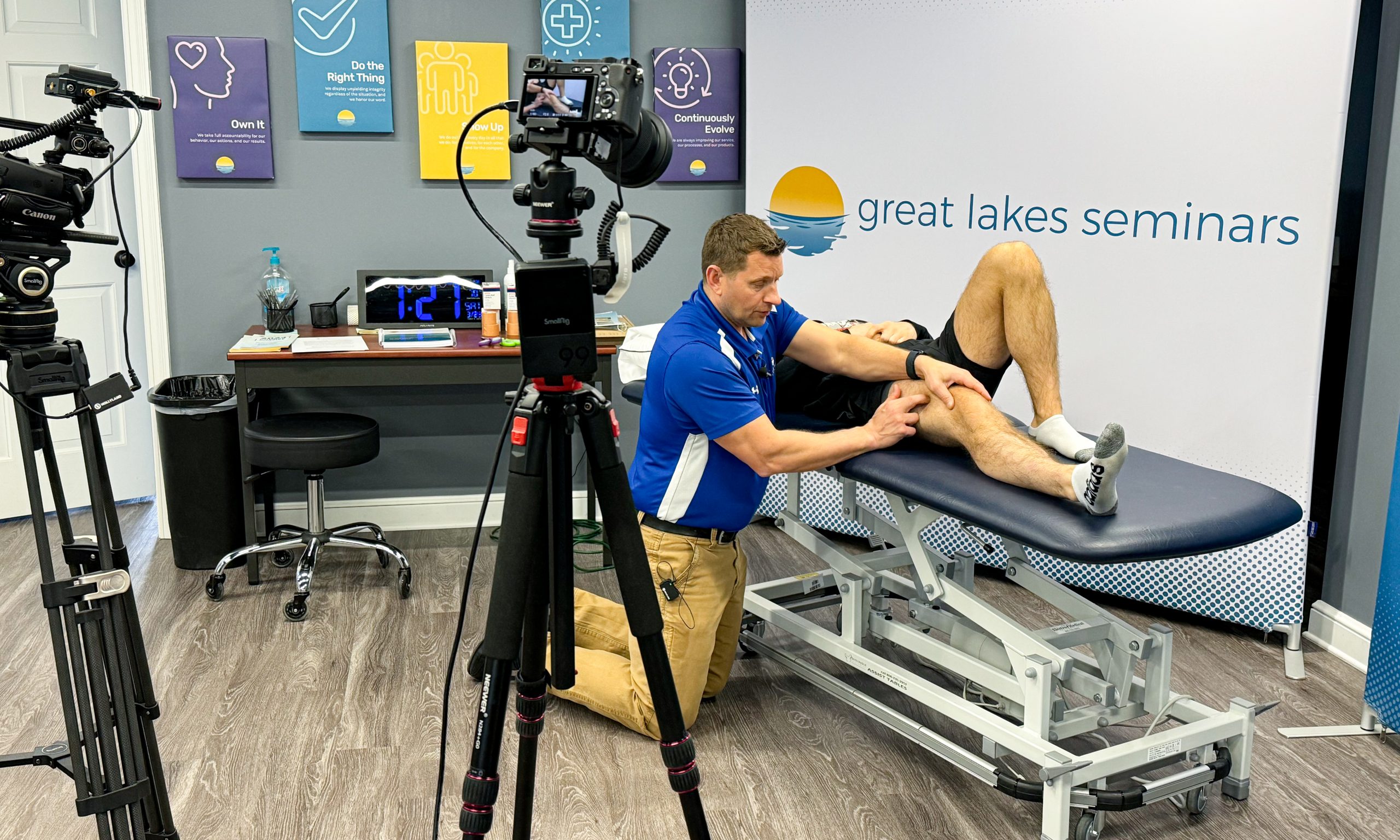
Like majority of GLS courses, this seminar is at least 75% hands-on lab, so you’ll spend most of your time practicing and refining new techniques.
Which regions of the spine are covered?
The course covers the cervical spine, thoracic spine, lumbar spine, sacrum, pelvis, and ribs, with labs dedicated to each region.
Do I need prior GLS courses to attend?
No prerequisites are required, but we do recommend that attendees have prior experience with at least one spinal mobilization or treatment approach for the best learning experience.
What should I wear to the course?
We recommend comfortable athletic clothing so you can move freely during labs and practice exercises throughout the day.
What course materials are included?
Participants receive a full printed course manual with detailed anatomical overlays, a physical cheat sheet for quick clinical reference, and a video cheat sheet emailed after the course to reinforce the techniques. You’ll also receive a post-course follow-up video from the instructor to help integrate what you’ve learned into your clinical practice.
Is there any pre-course work required before attending this course?
There is no required pre-course work for this course. However, we provide optional prework materials that you can review ahead of time to help you feel more prepared. These materials are designed to introduce key concepts and set you up for success, but they are not necessary to understand or benefit from the course. Reviewing the prework is completely optional and does not impact the number of continuing education hours (CEUs) you will receive.