Understanding Chronic Neck Pain: Why It Persists and How to Address It
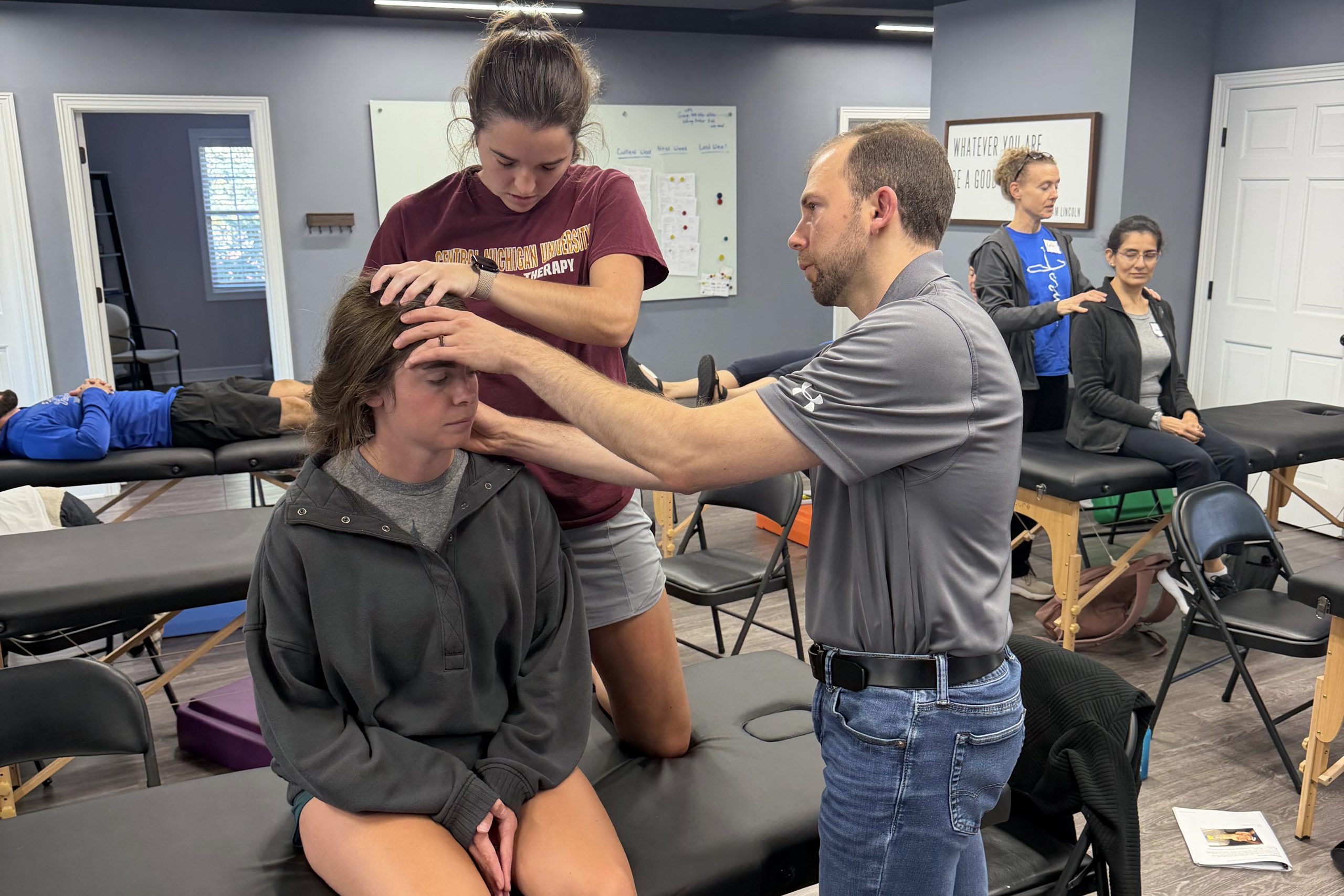
Chronic neck pain can sometimes start in unexpected ways. Our Understanding Pain instructor, Karl Buche, recently treated a patient with a diagnosis of chronic whiplash who had been dealing with suboccipital neck pain for the past two years. Her pain began after a very minor car accident. She was driving about five miles per hour in a parking lot when another vehicle lightly hit her. Despite the low-speed impact, her neck pain persisted for years.
What Research Teaches Us About Chronic Pain
This seems surprising when compared to a study done in 2005 on retired demolition derby drivers—people who voluntarily crash into each other for sport. Over their careers, these drivers experienced an average of more than 1,500 collisions, many at speeds over 45 miles per hour. Yet only 8% of them developed chronic neck pain.
The Role of Stress and Fear
Why the difference?
The key lies in how our brain perceives stress and danger. Karl’s patient’s accident was unexpected, stressful, and filled with external pressure—yelling from the other driver, embarrassment, insurance, and police reports. Her brain interpreted the event as threatening, and her neck muscles “locked down,” creating chronic pain.
In contrast, demolition derby drivers choose to crash and perceive it as fun—they are in control, and their brain responds differently, protecting them from long-term pain.
Using This Insight in Therapy
When treating patients with neck pain from car accidents, it’s important to address fear and stress. One useful approach that Karl has had success with his patients is to compare their experience with demolition derby drivers. Patients often assume chronic pain is inevitable after a crash, but studies show that’s not the case. Starting this conversation can help mitigate fear and support recovery.
Learn More About Pain
If you want to dive deeper into what causes pain and how our brain affects it, consider attending the Understanding Pain class, where we explore these concepts in detail.
Prefer to watch instead of read?
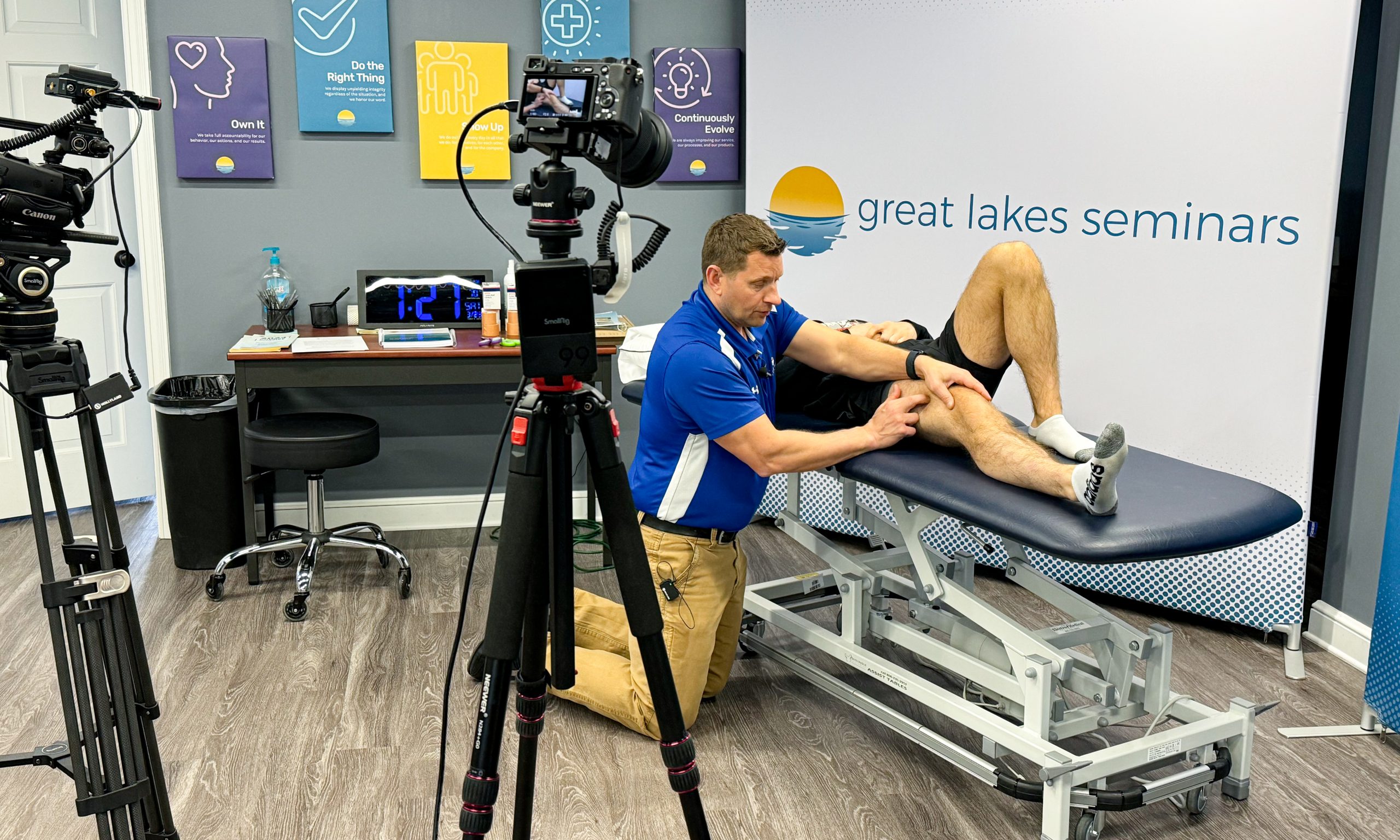
You can view the full Therapy Thoughts video featuring Karl Buche, where he walks through this concept step by step!

Instructor Behind Therapy Thought
Karl Buche
After obtaining his CIMT credentials in 2019, Karl began teaching and assisting courses for GLS, with his main area of expertise being pain neuroscience. He cares deeply about the manner in which we communicate with our patients, and loves teaching others how to minimize nocebo effects during patient interactions.
Questions? Check out these FAQs!
Yes, even low-speed or minor accidents can trigger chronic neck pain. It’s often not just the physical impact that matters, but how the brain perceives the event, including stress, fear, and a sense of threat.
Research shows that context matters. When trauma occurs in a controlled, voluntary, and enjoyable environment—like demolition derby driving—the brain perceives it differently. This can reduce the likelihood of chronic pain developing.
Stress can amplify the body’s protective responses, causing muscles to tighten and pain to persist. Fear, anxiety, and unexpected events can all increase the risk of pain becoming chronic.
By addressing fear and stress, therapists can help patients reframe their experiences, reduce anxiety about pain, and promote healing. Education about pain and its mechanisms is a key part of this process.
Our Understanding Pain course dives deeper into why pain occurs, how the brain affects pain perception, and strategies to manage chronic pain effectively.
Share this article: