The Importance of Lifelong Learning in Physical Therapy
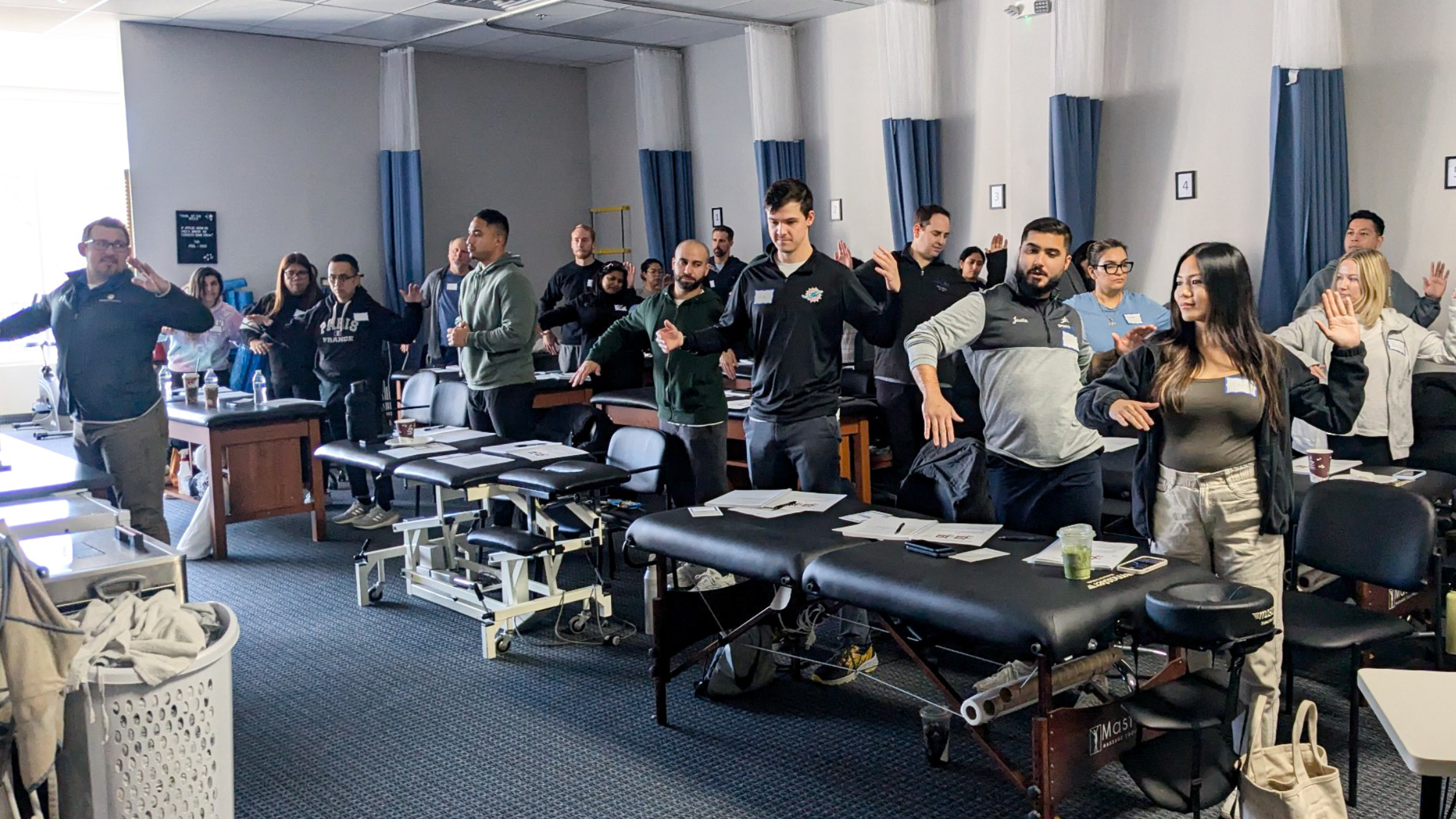
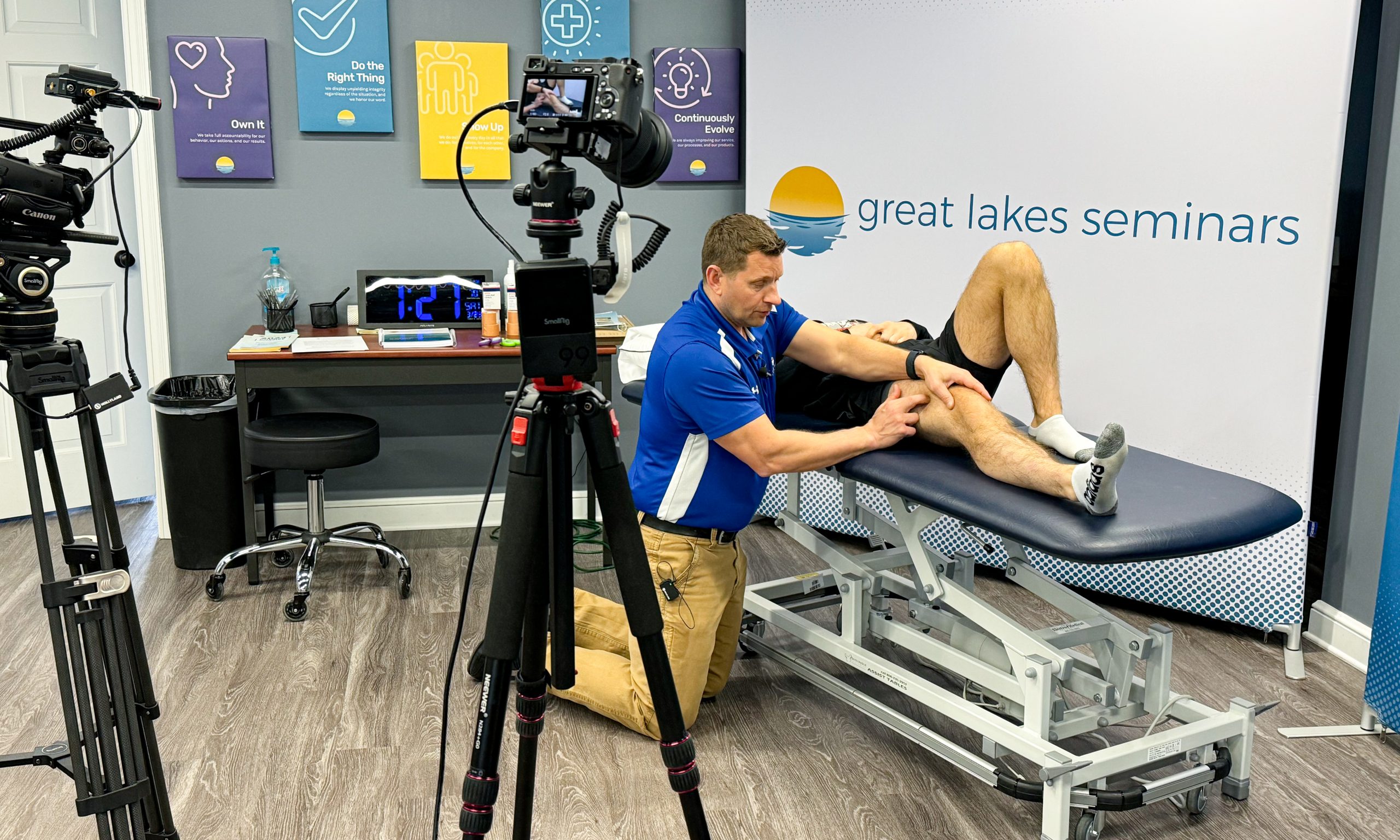
As a physical therapist and as a strength and conditioning specialist, sometimes my quest to get CEUs under wrap prior to re-cert deadlines can seem like an absolute chore. However, I remind myself that this process is critical for my growth as a clinician. It has developed me into the provider and educator that I am today… and ultimately clinicians committing to a habit of lifelong learning is what keeps physical therapy relevant and necessary in the healthcare continuum.
In a nutshell, a habit and drive for lifelong learning has allowed for the continued holistic growth of our profession, and to understand this…we simply only need to look to our profession’s past.
Built on Learning: The Foundation of the PT Profession
A little over 100 years ago, our forebearers worked in hospital wards caring for injured WWI soldiers and treating individuals who contracted and were suffering from the lifelong effects of the polio virus. Known then as reconstruction aides, their practice would eventually evolve into forming the American Women’s Physical Therapeutic Association in 1921 with the association’s very first journal published that same year (for my fellow history buffs, this first journal is also when early members voted to let us guys join the profession).
These journals, initially titled The PT Review, were the early means to share a common printed knowledge on the advances early pioneers of our profession were making. What worked? What didn’t work? Techniques were adopted, tested, and changed based on patient outcomes. Early use of modalities, bracing, splinting, and adaptive equipment all evolved based on this sharing of knowledge. Eventually this early association would change its name to American Physical Therapy Association and that journal would eventually become the Physical Therapy & Rehabilitation Journal (PTJ).
Why This History Still Matters Today
So, at this time, I would expect most readers to be thinking “why the heck does all this history stuff matter?”. It matters because even in our field’s infancy, our predecessors knew that the only way to progress and grow clinical skills and ultimately care for our patients was to share and learn from one another. Through this sharing and through making critical reviews, by researching and evolving clinical practice, our profession has made a tremendous amount of growth and change.
The likes of Marguerite Sanderson, Mary McMillan, and Gertrude Beard (early pioneers and leaders of our profession) would be proud of how far we all have come. They would be proud of the care we provide for countless patients in our numerous highly specialized sub-specialties. More importantly, I am certain that they would not want the continued growth of our capabilities as clinicians to stymie and stop just after school. They most definitely would want us all to carry the flame and propel our craft for another 100 years or more.
Conclusion
So, is there an importance of lifelong learning in physical therapy? My personal take can be summarized by one of my favorite mottos: “A dull mill will make terrible coffee no matter how hard it grinds”… meaning if you don’t stay sharp, your work will not be your best. Ultimately, you, the reader, must make your own conclusion on this matter. However, understand this, physical therapy will continue to grow, evolve, and change (with or without you).
Sources:
APTA. (2021). 100 milestones of physical therapy. APTA 100 years. https://timeline.apta.org/

About the Author
Robert Bunnell
Questions? Check out these FAQs!
Lifelong learning ensures that physical therapists stay current with evolving research, techniques, and best practices, ultimately improving patient outcomes and maintaining the profession’s relevance in healthcare.
Continuing education helps clinicians refine their skills, learn new treatment approaches, and build confidence in their clinical decision-making, leading to better care and professional growth.
Therapists can stay up to date by attending continuing education courses, reading research journals, participating in hands-on training, and engaging with professional organizations like the American Physical Therapy Association.
While CEUs are required for licensure, they are also an opportunity for therapists to deepen their expertise, stay inspired, and continue evolving as clinicians.
Without continued learning, clinicians risk becoming outdated in their practice, which can negatively impact patient outcomes and limit professional growth.
Share this article: