Using the OPTIMAL Theory in Everyday Treatment Sessions
As clinicians, we’re constantly looking for ways to improve how our patients learn and retain movement. Whether you’re working on gait, balance, or vestibular rehab, small changes in how we cue and structure sessions can make a big difference.
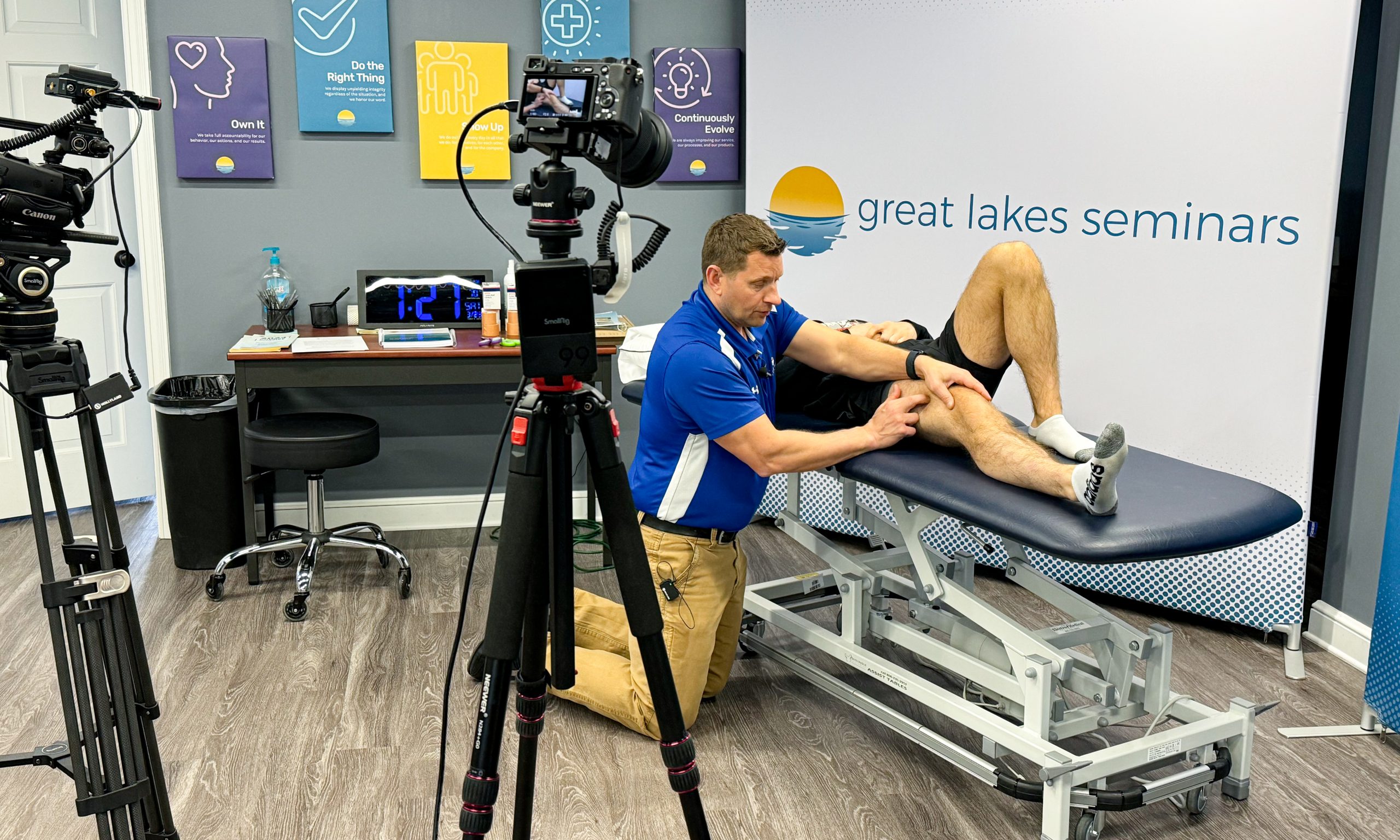
In a recent Therapy Thoughts video, Amy Yorke, one of the Introduction to Vestibular Rehabilitation instructors with Great Lakes Seminars, breaks down the OPTIMAL Theory of Motor Learning and shares three practical strategies you can implement immediately in your treatment sessions, no overhaul required.
What Is the OPTIMAL Theory?
The OPTIMAL Theory of Motor Learning focuses on enhancing motor performance and learning by improving patient engagement, confidence, and attention. The theory centers around three key components:
- Autonomy
- External Focus
- Enhanced Expectancies
Let’s break each one down with real-world clinical examples.
Autonomy: Give Patients a Choice
Autonomy is all about choice, and it matters more than you might think. Patients are more engaged when they feel involved in their care. Even small, incidental choices can increase buy-in and effort.
Clinical example:
If your session includes both overground walking and treadmill walking, simply ask:
“Which would you like to do first?”
That one question gives the patient ownership of the session and can significantly improve engagement without changing your treatment plan at all.
External Focus: Shift Attention Away From the Body
Patients often struggle when they think too much about how they’re moving, sometimes because of the cues we give.
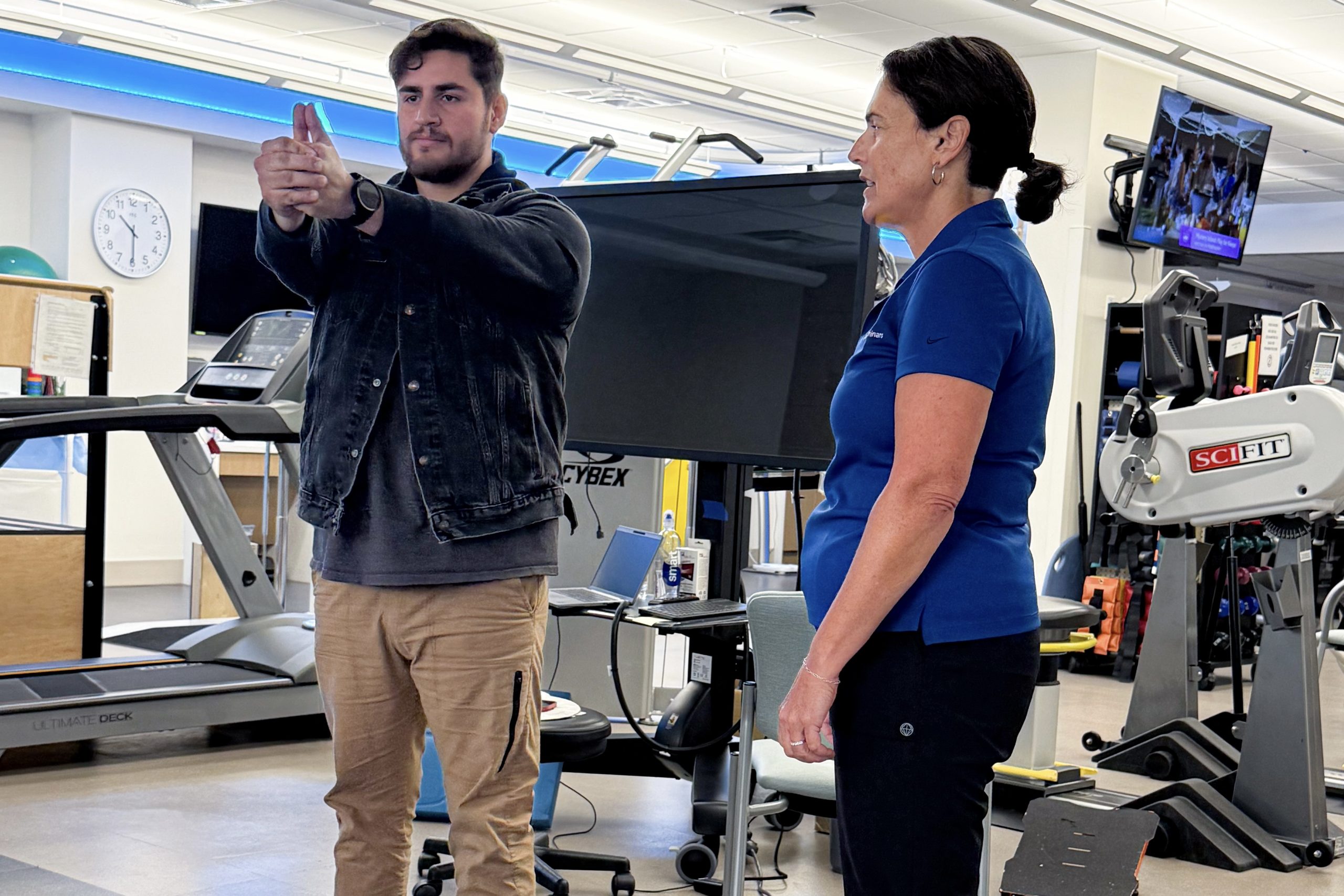
Instead of directing attention internally (“take a bigger step”), try shifting the focus externally.
Examples:
- Place a visual marker on the floor and cue the patient to step over the line
- For patients with Parkinson’s taking short steps, instead of saying “take bigger steps,” try:
“Do you hear that scuffing noise your shoes are making? Don’t make that noise.”
This external focus allows movement to become more automatic, and often more efficient.
Enhanced Expectancies: Set Patients Up for Success
Enhanced expectancies are about letting patients know you believe they can succeed. When patients expect to perform well, their outcomes often improve.
Ways to apply this in practice:
- Tell a patient you expect them to complete a certain number of reps or time
- Use a metronome during gaze stability or gait exercises and cue them to “hit the beat”
- Reinforce confidence by clearly stating achievable expectations before the task begins
This subtle shift builds confidence and reinforces successful movement patterns.
Bringing It All Together
The OPTIMAL Theory doesn’t require new equipment, longer sessions, or complex programming. By incorporating:
- Autonomy (choice)
- External focus (better cueing)
- Enhanced expectancies (confidence and belief)
you can dramatically improve patient engagement and motor learning across a wide range of diagnoses.
These small adjustments can make your treatments more effective, and your patients more successful.
Want to learn how to apply motor learning principles like these in vestibular and neurologic populations? Amy Yorke teaches these concepts in depth in the Introduction to Vestibular Rehabilitation course!
Questions? Check out these FAQs!
The OPTIMAL Theory of Motor Learning is a framework used in physical therapy to improve motor performance and learning by emphasizing autonomy, external focus of attention, and enhanced expectancies. These principles help increase patient engagement, confidence, and movement efficiency during rehabilitation.
The OPTIMAL Theory improves outcomes by increasing motivation and reducing overthinking during movement. When patients feel more confident, focused on external goals, and involved in decision-making, they often demonstrate better movement quality, improved retention, and greater carryover outside of therapy.
Physical therapists can apply the OPTIMAL Theory by:
- Offering patients choices during sessions (autonomy)
- Using external cues instead of body-focused cues (external focus)
- Setting clear, achievable expectations for success (enhanced expectancies)
These strategies can be implemented immediately without changing the overall plan of care.
Share this article: