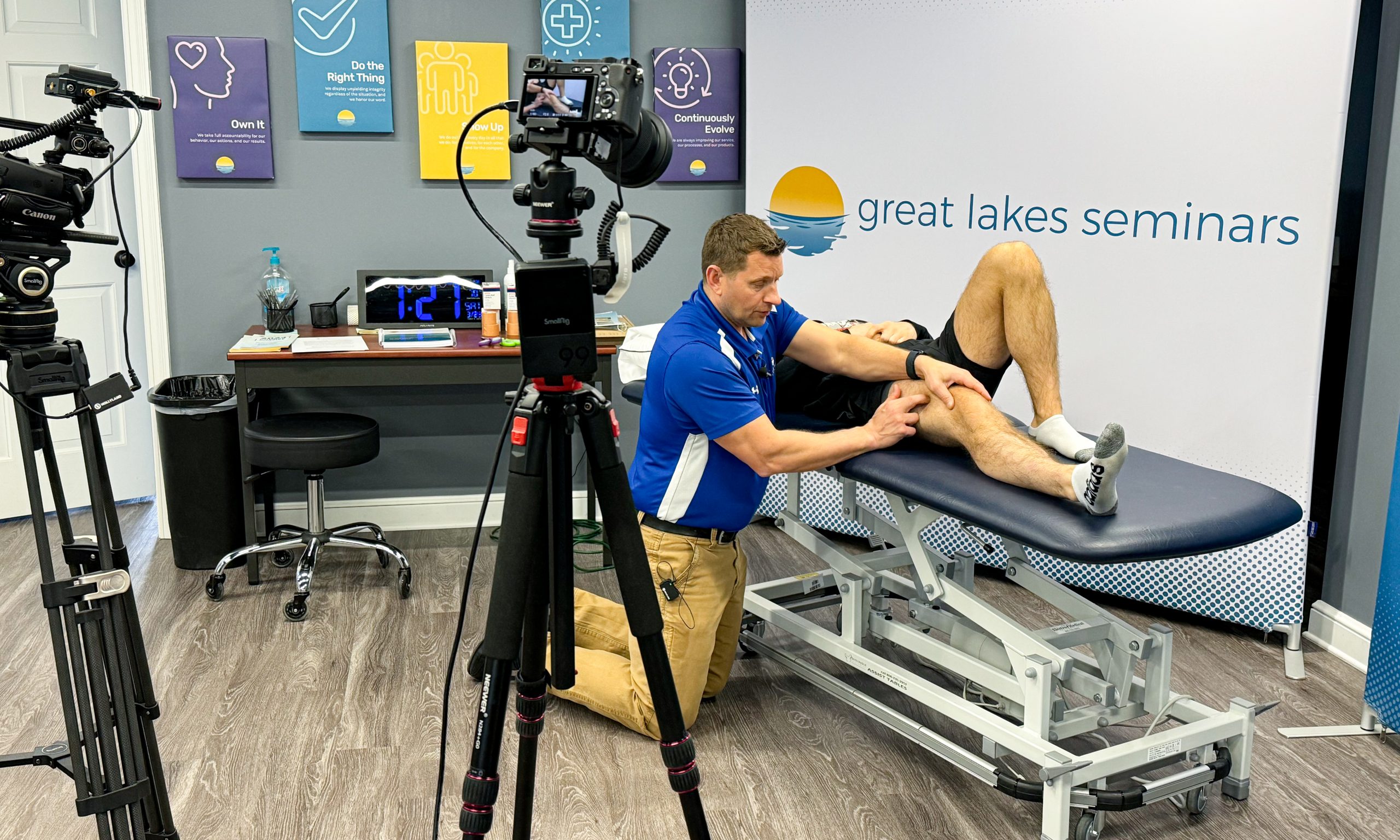
Evaluation and Treatment of BPPV

BPPV is one of the most treatable sources of dizziness—and with the right skills, you can help patients feel dramatically better in minutes. In this highly interactive course, you’ll learn exactly how to evaluate BPPV with confidence: which tests to use, how to pinpoint the affected canal, and how to differentiate canalithiasis from cupulolithiasis. Then, you’ll practice the techniques that truly make a difference, from precise repositioning maneuvers to targeted treatment progressions. Real-world case studies and hands-on labs ensure you leave with the competence—and confidence—to treat BPPV effectively the very next day. Perfect for therapists in any setting who want to deliver fast, meaningful outcomes for patients with dizziness.

Dates and Locations

Saturday

March 21, 2026

4 hours, 9:00 AM – 1:00 PM

Great Lakes Seminars

2768 Centennial Road
Toledo, OH 43617

CEU Approvals Coming Soon!

Instructor: Amy Yorke

$225.00 incl. Tax

Saturday

March 21, 2026

4 hours, 9:00 AM – 1:00 PM

Live Hybrid

Live online via Zoom

CEU Approvals Coming Soon!

Instructor: Amy Yorke

$225.00 incl. Tax

At the completion of this seminar, the participant will be able to:

  • Describe six key components of the anatomy and physiology of the vestibular system
  • Discriminate between ten common pathophysiologic conditions of the vestibular system
  • Complete a thorough interview of a patient and hypothesize three potential diagnoses using five key questions outlined in the manual
  • Hypothesize the differential diagnosis of a mock patient who presents with vertigo versus dizziness
  • Complete a thorough examination of a patient, and compare three subjective complaints to the objective findings

At the completion of this seminar, the participant will be able to:

  • Describe six key components of the anatomy and physiology of the vestibular system as related to BPPV
  • Complete an interview and examination of a patient with BPPV
  • Correctly distinguish between the different types of BPPV, including canalithiasis vs cupulolithiasis
  • Accurately locate the involved ear canal related to the different type of BPPV
  • Identify and demonstrate appropriate manual therapy treatment interventions for patients with BPPV

This course is scheduled for 9:00am – 1:00pm Eastern Time. Full detailed schedule coming soon!

Approved for 4 hours for Physical Therapists and Physical Therapist Assistants: AL, AK, AZ, AR, CO, CT, DE, DC, FL, GA, HI, ID, IL, IN, IA, KS, KY, MD, MA, MI, MO, MT, NE, NH, NY, NC, ND, OK, OR, PA, RI, SC, SD, TN, UT, VT, VA, WA, WI, WY

Approved for 4 hours for Occupational Therapists: AL, AZ, AR, CA, CO, CT, GA, ID, IA, KS, MA, MN, MO, NE, NV, NH, ND, OR, SC, SD, TX, UT, VA, WA, WV, WI, WY

Approved for 4 Category A hours by the BOC for Athletic Trainers.

If you do not see your state or discipline listed above, please contact us at info@glseminars.com for more information.

Click here for the state approval list for all in-person courses.

Who is this course designed for?
This course is ideal for physical therapists, physical therapist assistants, occupational therapists, and athletic trainers in any practice setting. Whether you’re brand new to vestibular evaluation or looking to refine your skills, you’ll gain practical, clinically relevant techniques you can use immediately.

Do I need prior vestibular experience to take this course?
No prior vestibular coursework or experience is required. The course begins with foundational anatomy and physiology and progresses to hands-on evaluation and treatment techniques. Therapists at all levels will benefit from the step-by-step approach.

Will I get hands-on lab time?
Absolutely—hands-on practice is a core part of this course. You’ll apply each evaluation and treatment technique with instructor guidance to build confidence and ensure correct execution.

What treatment techniques will I learn?
Techniques include canalith repositioning maneuvers, treatment variations for persistent symptoms, and strategies to modify interventions based on patient presentation or intolerance. You’ll have the opportunity to practice the techniques repeatedly during lab sessions.

Are CEUs available for this course?
CEU approval information is coming soon. We do not seek approval in every state or for every discipline, so please contact us if you have any CEU-specific questions.

What should I wear or bring to the course?
We recommend wearing comfortable clothing suitable for lab work. You’ll be practicing hands-on maneuvers with partners, so ease of movement is important. Any additional materials will be provided at the course.

Course Instructors

Amy M. Yorke

PT, PHD

Amy has been a physical therapist since 1993. She graduated from the University of Michigan-Flint with a master’s degree in physical therapy and from Western Michigan University with a PhD in Interdisciplinary Health Sciences. She is Board Certified in Neurologic Physical Therapy. Amy has taught topics related to neurologic rehabilitation, including vestibular rehabilitation, for 20 years. She is currently on faculty at the University of Michigan-Flint and maintains an active practice through HEART, a pro bono clinic at UM-Flint.

Vestibular Rehabilitation CEU Course Instructor Headshot

Become a GLS Insider!

Become a GLS Insider! Hear from our founder, Patrick Hoban, and our other great instructors with practical insights, videos and upcoming courses delivered right to your inbox.

Exclusive GLS Content Straight to Your Inbox!

Sign up below and become a GLS Insider! You’ll receive emails about courses near you and be the first to hear of new GLS offerings and opportunities. Plus, you’ll receive monthly videos from our amazing instructors with treatment demonstrations and clinical pearls!